
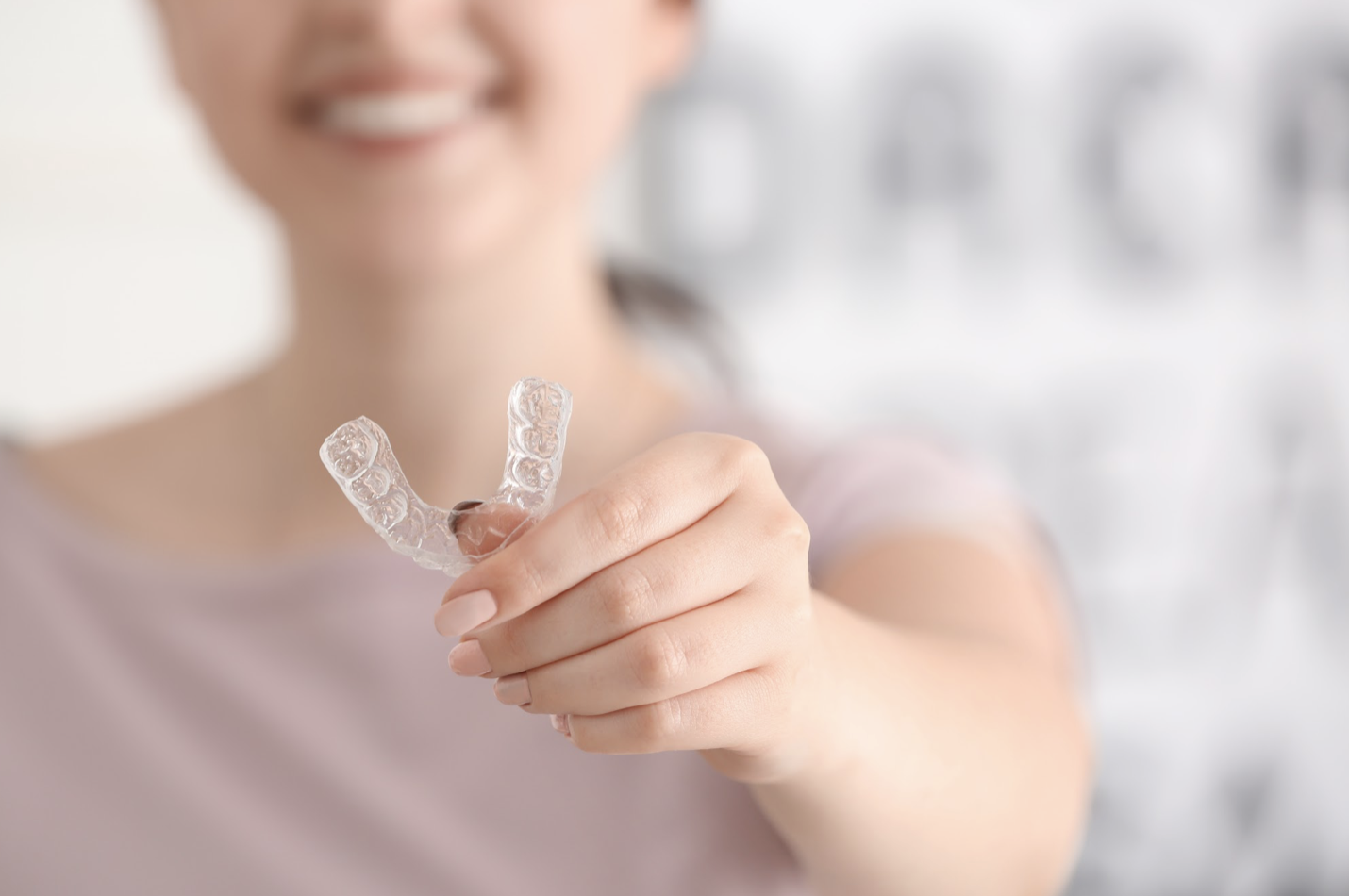
 Do you wake up with a sore jaw, sensitive teeth, or a headache that makes mornings difficult? You may be grinding or clenching your teeth while you sleep. This common condition, known as bruxism, can gradually wear down your enamel, strain your jaw muscles, and affect your oral health.
Signs You May Need a Nightguard
Many people grind their teeth without realizing it. Often, the first signs appear during a routine dental exam or when discomfort begins affecting everyday activities.
Common symptoms of teeth grinding include: 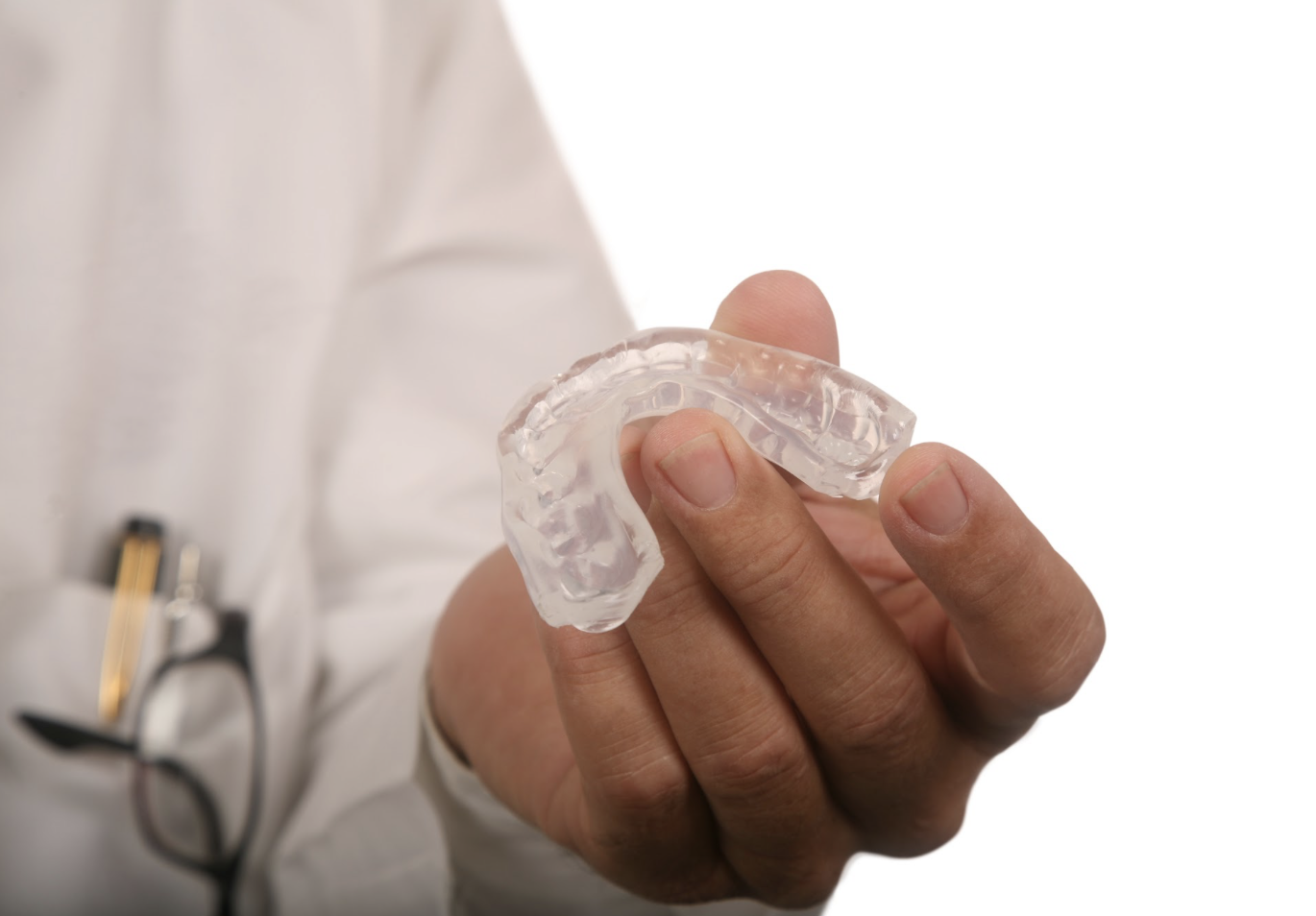
- Jaw soreness or stiffness upon waking
- Frequent morning headaches
- Flattened, chipped, or worn teeth
- Increased tooth sensitivity
- Tight or tired jaw muscles
- Discomfort when chewing
- A partner noticing grinding sounds during sleep
These symptoms can have several causes. Dr. Ochoco examines your teeth and jaw to identify potential signs of bruxism and recommend appropriate care.
How Do Custom Nightguards Protect Your Teeth?
Consistent nighttime grinding places considerable pressure on your teeth. Over time, this pressure can contribute to enamel wear, cracked teeth, and damage to existing dental restorations.
A nightguard for teeth grinding helps absorb and distribute some of these forces, reducing direct tooth-to-tooth contact. Custom nightguards may also help lessen muscle strain associated with clenching, although results vary depending on the underlying cause of your discomfort. Protecting your teeth early can help reduce the risk of more extensive dental treatment later.
What to Expect When Getting a Custom Nightguard
At Schuster and Ochoco Dental, your comfort and individual needs guide every appointment. Dr. Ochoco begins by discussing your symptoms and examining your teeth, jaw, and bite. He looks for signs of grinding, including enamel wear and changes in your tooth surfaces.
When a nightguard is appropriate, we take precise measurements or impressions of your teeth to create an appliance tailored to your mouth. Once your nightguard is ready, we check its fit, make necessary adjustments, and explain how to wear, clean, and store it properly.