
How Dr. Ochoco Determines If Whitening Is Right for You
Not all tooth discoloration develops for the same reason. Understanding the source of staining helps Dr. Ochoco recommend an appropriate treatment.
Surface Stains vs. Internal Discoloration 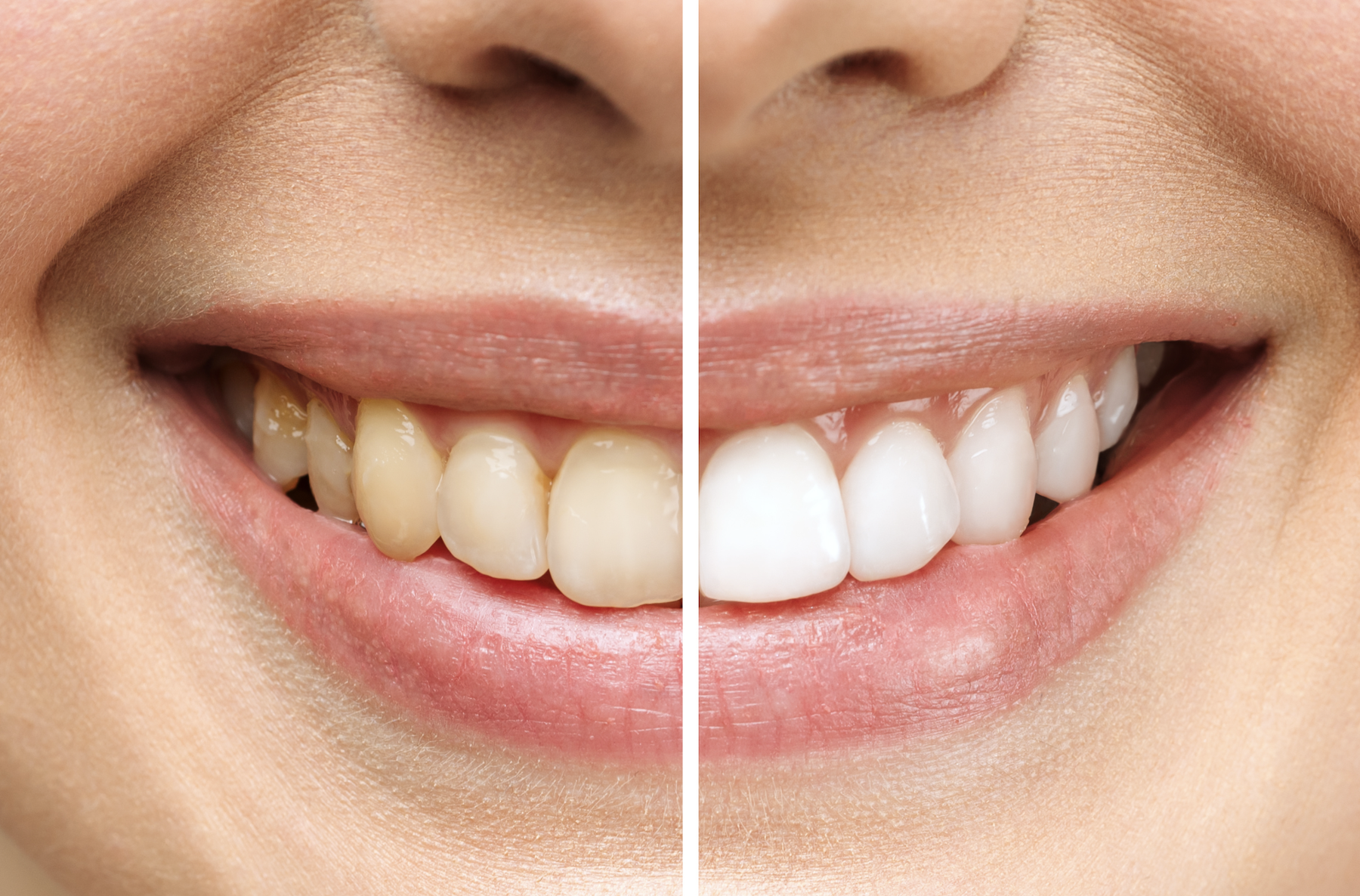
Extrinsic stains develop on the outer surfaces of teeth. Coffee, tea, red wine, tobacco, and certain foods commonly contribute to this type of discoloration.
Research shows that professional dental cleanings can remove some surface stains, while whitening treatments may help lighten additional discoloration.
Intrinsic discoloration occurs within the tooth structure. It may develop due to aging, dental trauma, certain medications, or changes during tooth development.
Some intrinsic stains respond to bleaching, while others remain resistant to whitening treatments.
During your consultation, Dr. Ochoco examines your teeth, reviews your dental history, and identifies factors that may influence your results.
When Bonding or Veneers Make More Sense
Whitening isn't the ideal solution for every cosmetic concern. Teeth with deep discoloration, visible chips, irregular shapes, or certain enamel defects may benefit from alternative treatments.
Cosmetic dental bonding uses tooth-colored composite resin to address selected imperfections. Porcelain veneers cover the front surfaces of teeth and may improve their shape, color, and overall appearance.
Dr. Ochoco explains the advantages, limitations, and maintenance considerations of each option so you can make an informed decision. For additional information, explore the American Dental Association's guide to tooth whitening.