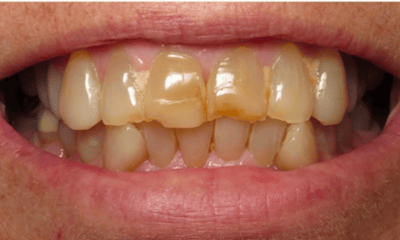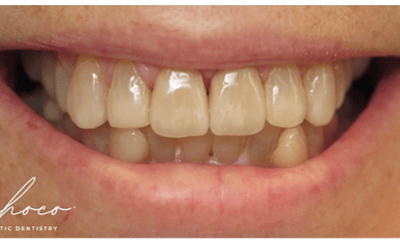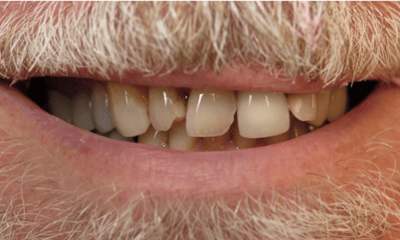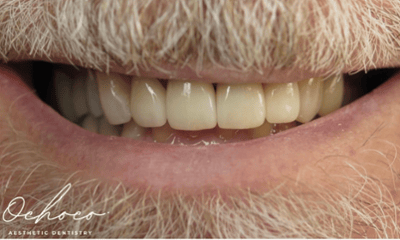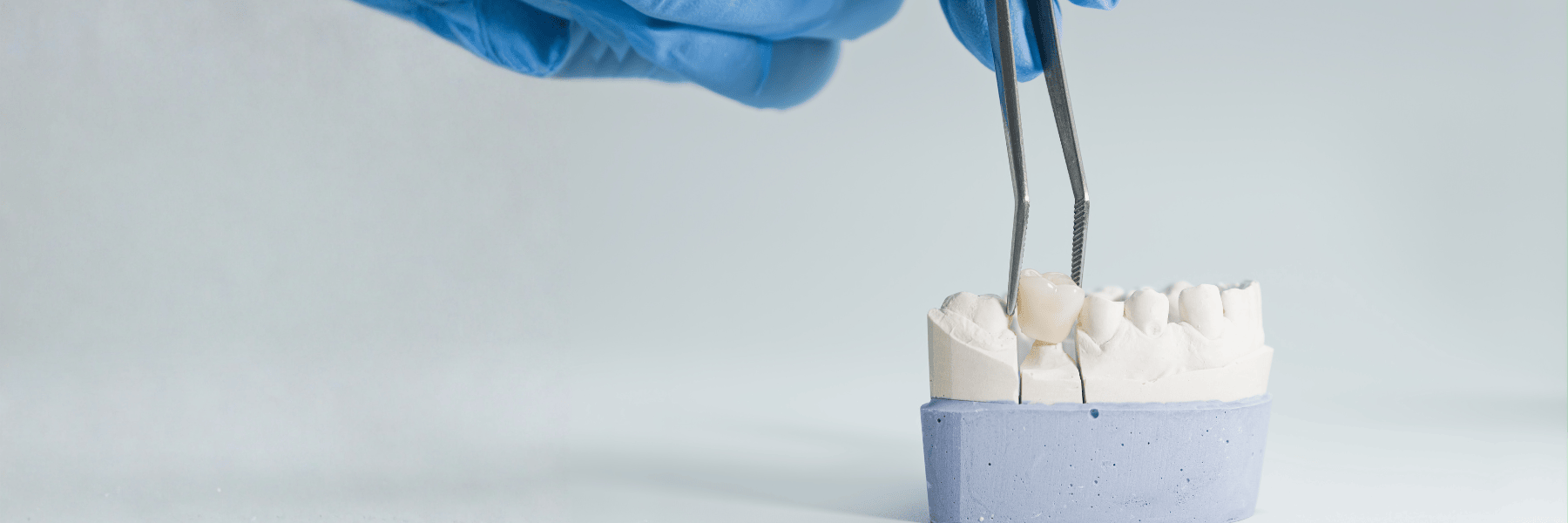
 A dental crown is one of the most versatile restorations in dentistry. It can protect a tooth that has cracked, rebuild one that decay has compromised, or restore a tooth that is worn to the point where a
 How Dr. Ochoco Decides Whether You Need a Crown
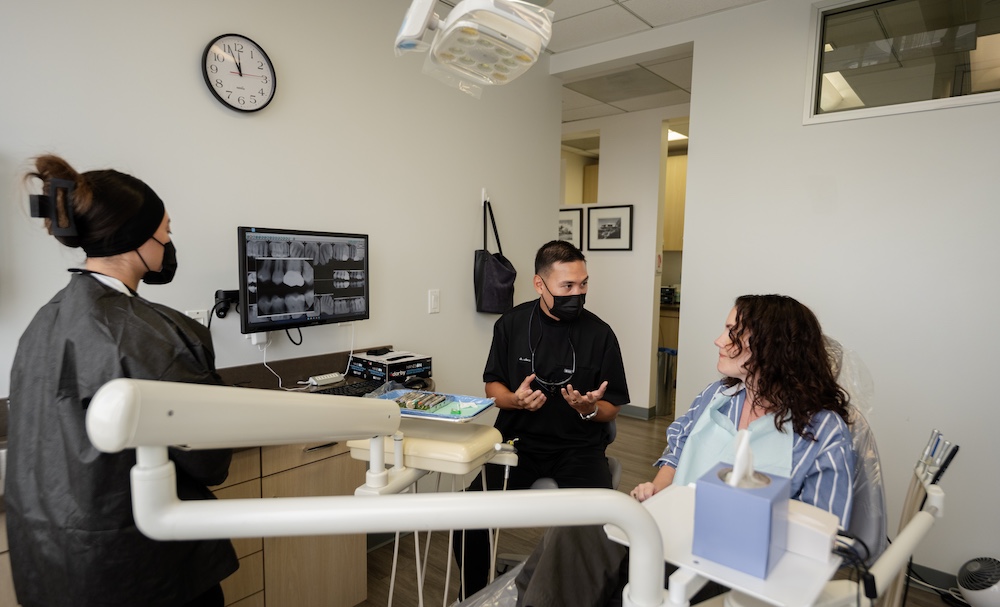
 One common patient question we hear is whether the tooth can be saved without a dental crown. First, Dr. Ochoco thoroughly reviews your oral health history, then evaluates the tooth. He considers the condition of the surrounding teeth and bite. X-rays and intraoral scans show him how much healthy structure remains, whether the tooth is at risk of fracturing further, and whether a well-placed filling could last long term.
If it can, that's what Dr. Ochoco recommends. If the tooth has reached the point where a crown will offer better protection, he'll explain why and show you what he sees. He will answer your questions and explain why waiting would likely mean more involved treatment down the road.
Because he schedules restorative cases one patient at a time, you will have his complete focus and attention throughout your appointment.
Creating Natural-Looking Restorations
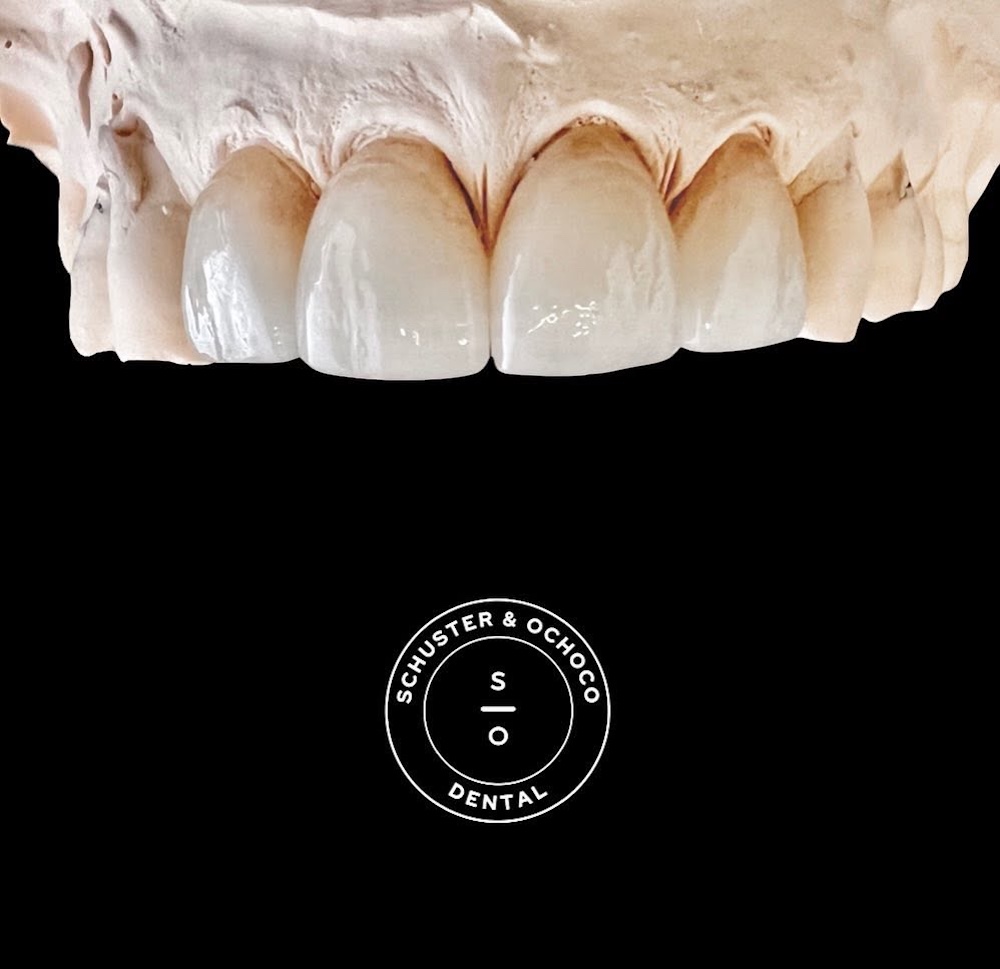
Every crown and bridge Dr. Ochoco places goes through a detailed specification process before the lab produces the final restoration. He selects shade and shape based on your surrounding teeth, your facial features, and how the restoration will look when you smile and speak, not just when your mouth is open in the dental chair. His standard for restorative work is the same as his standard for cosmetic dentistry: the result should look like it belongs, function reliably, and last. If you're weighing your options, Dr. Ochoco explains the difference between veneers and crowns in this blog.